Plain Weave Stainless Steel Mesh
Definition & Structure
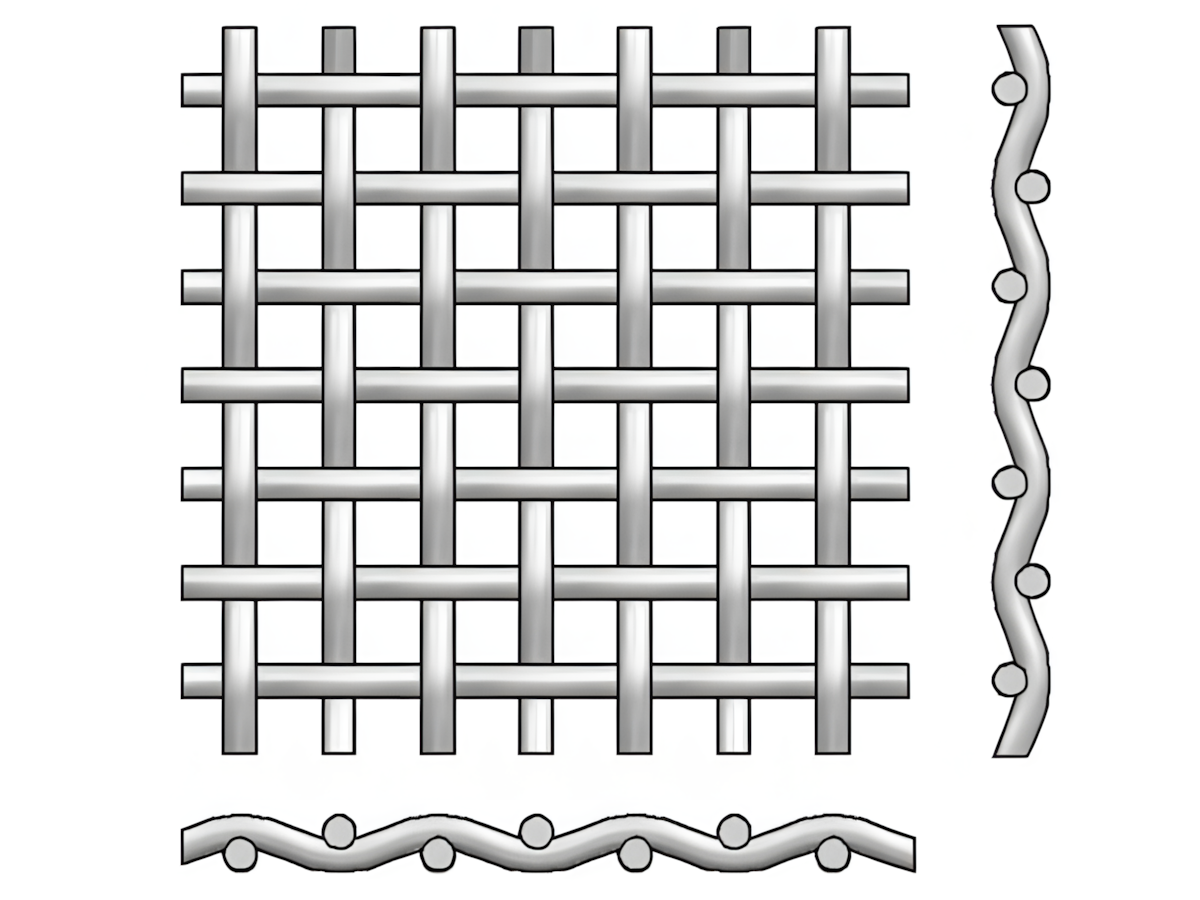
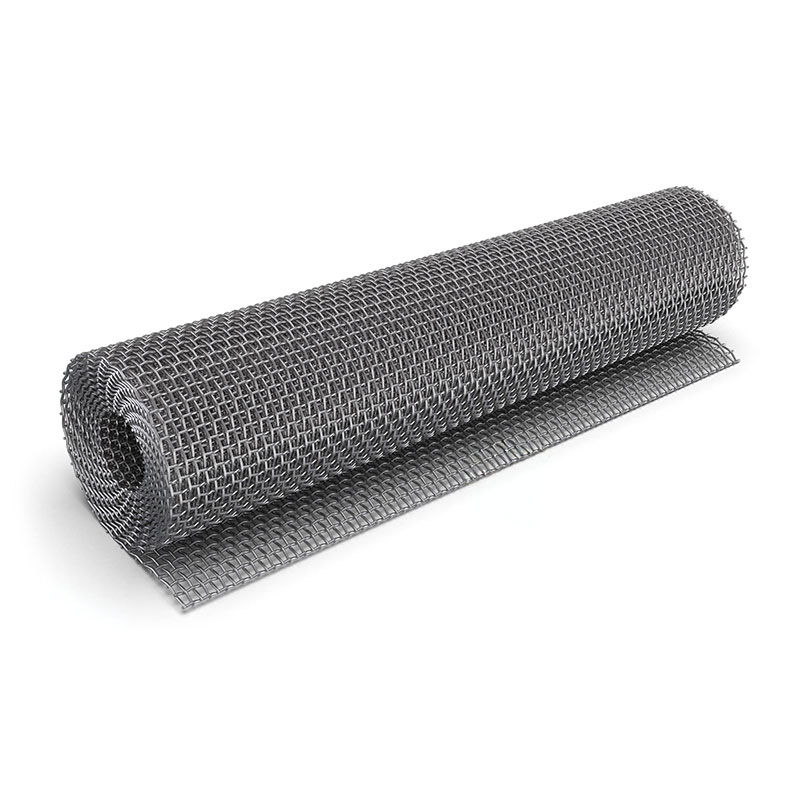
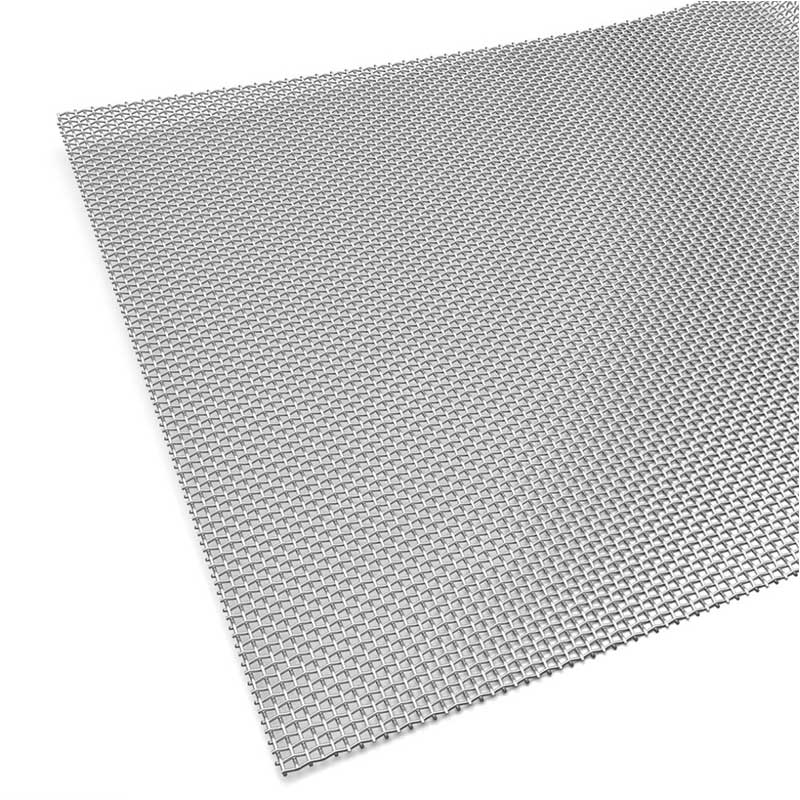
Plain weave is the most fundamental and widely used weaving pattern. Warp and weft wires of equal diameter intersect at 90°, with each wire passing alternately over one and under the next wire, forming uniform square openings.
Key Advantages
· Uniform Aperture: Precise, consistent square openings ensure stable filtration accuracy and repeatable results.
· High Flow Capacity: High open area minimizes pressure drop, ideal for high-flow, low-resistance applications.
· Smooth & Easy to Clean: Flat, burr-free surface prevents particle buildup and supports easy cleaning, meeting strict hygiene standards.
· Cost-Effective: Simple structure and mature manufacturing make it the most economical choice for standard filtration.
Materials & Specifications
· Material: 304, 304L, 316, 316L stainless steel
· Mesh count: 1–400 mesh
· Wire diameter: 0.025–2.0 mm
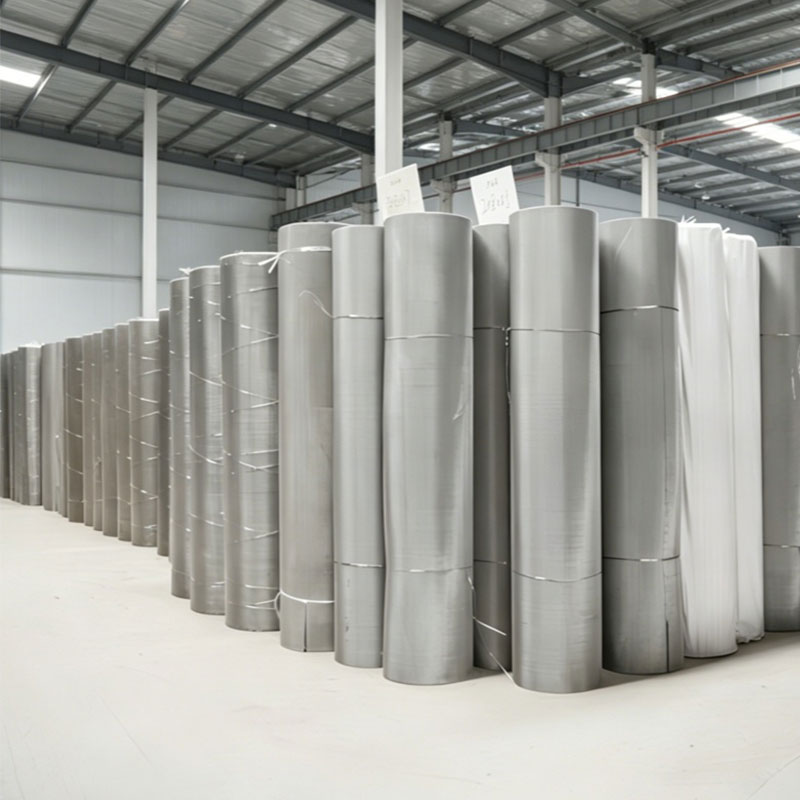
· Width: up to 3 m; customized lengths available
Typical Applications
· Food & beverage screening and filtration
· Pharmaceutical processing and sieve analysis
· General chemical filtration and sieving
· Water treatment and HVAC filtration
· Mining and mineral separation
Twill Weave Stainless Steel Mesh
Definition & Structure
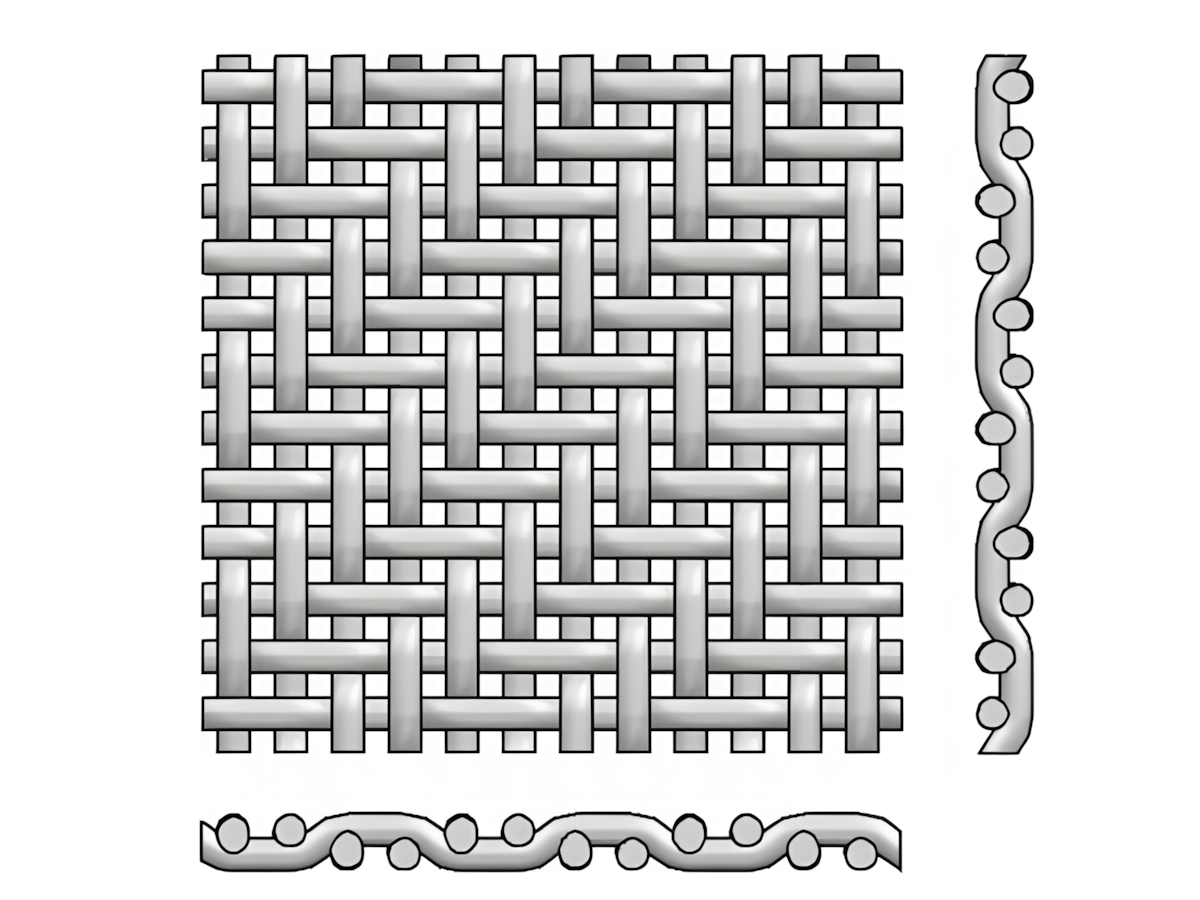
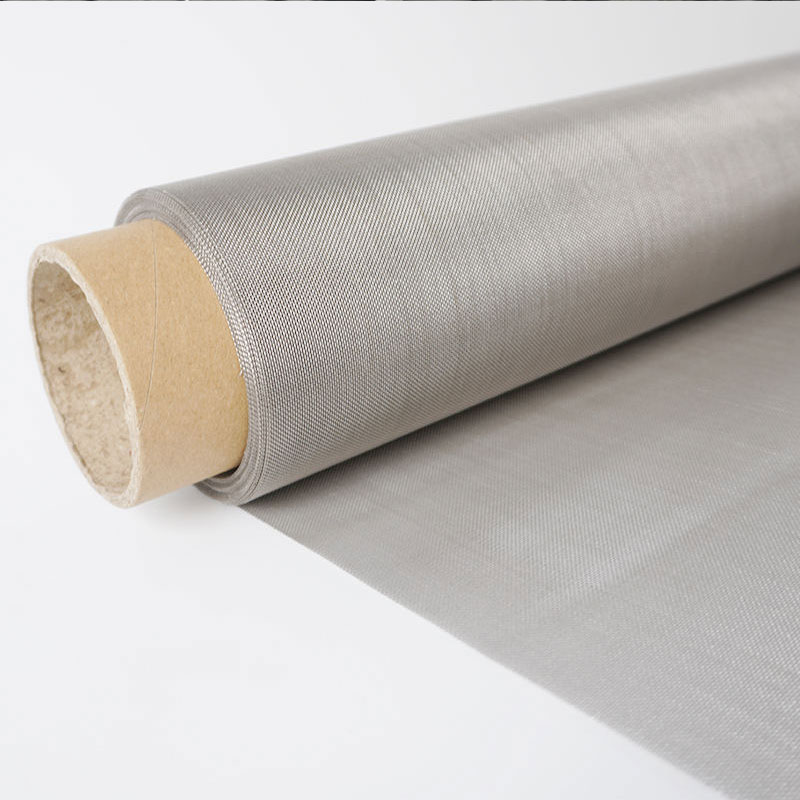
Twill weave features a staggered interlacing pattern: each wire passes over two and under two adjacent wires, creating a distinct diagonal texture. This tighter structure allows finer wires and higher mesh counts compared to plain weave.
Key Advantages
· Higher Mechanical Strength: Tighter interlocking structure provides 20–30% higher tensile strength and better deformation resistance than plain weave.
· Finer Filtration: Enables higher mesh counts and smaller apertures for precise, fine filtration while maintaining structural rigidity.
· Excellent Durability: Enhanced wear, pressure, and impact resistance ensure stable performance under heavy-duty and high-pressure conditions.
· Long Service Life: Resists clogging and withstands demanding environments, reducing maintenance frequency and replacement costs.
Materials & Specifications
· Material: 304, 304L, 316, 316L stainless steel
· Mesh count: 20–635 mesh
· Wire diameter: 0.02–1.2 mm
· Width: up to 3 m; customized lengths and edge finishes available
Typical Applications
· Pharmaceutical fine filtration
· Petrochemical and hydraulic fluid purification
· High-precision liquid/solid separation
· High-pressure and high-temperature filtration systems
· Industrial strainers, filter cartridges, and dust collectors